Bhutanese people still wear their national dress every day. Visitors aren't expected to, but a few simple guidelines show respect in sacred places.
Visiting dzongs and temples
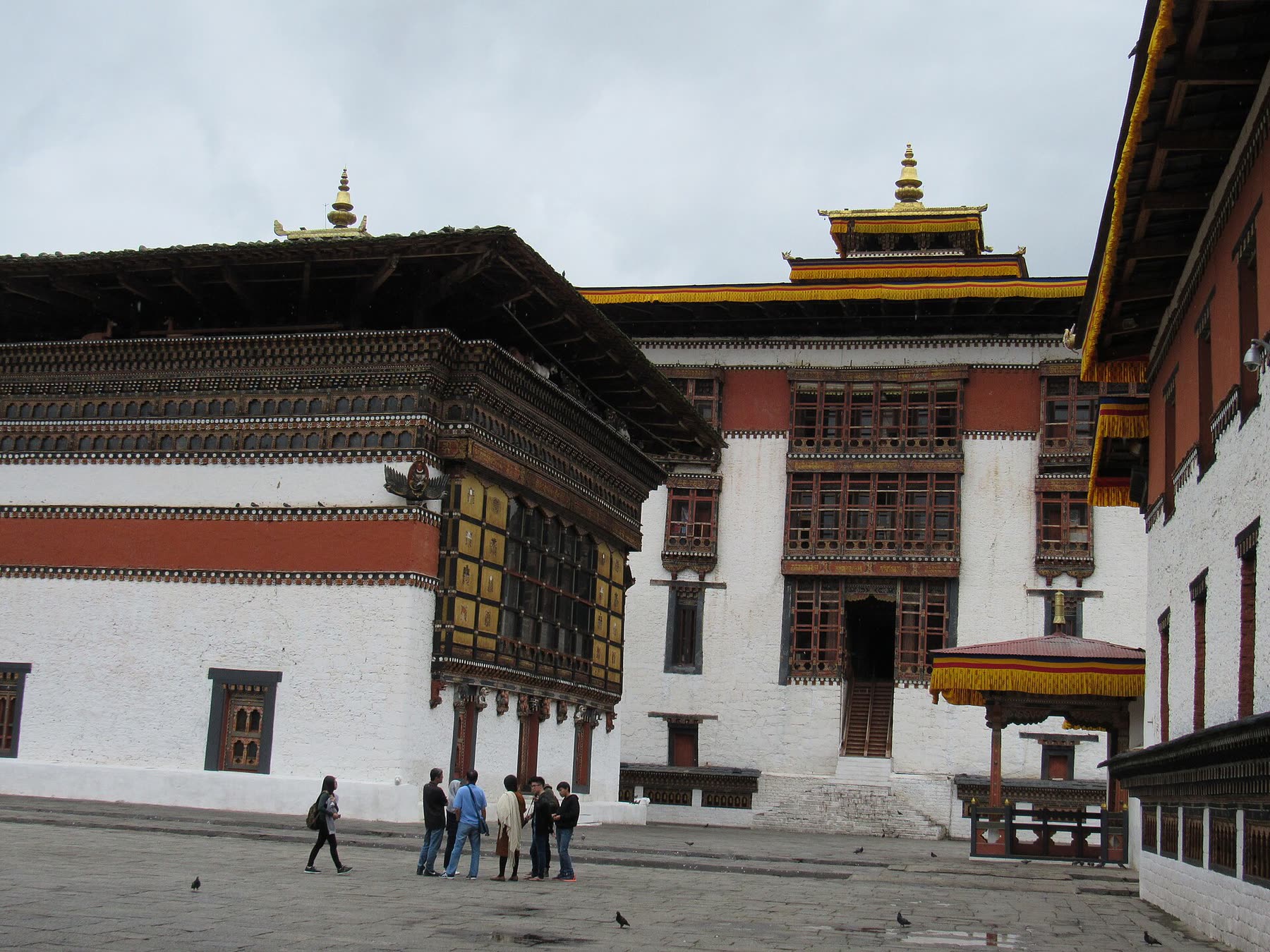
- Wear long sleeves and long trousers or a skirt that covers the knees
- Choose a collared shirt or modest top; avoid shorts, sleeveless tops and caps
- Remove hats and sunglasses inside courtyards and temples
- Remove your shoes before entering a shrine room (lhakhang)
Etiquette in sacred places
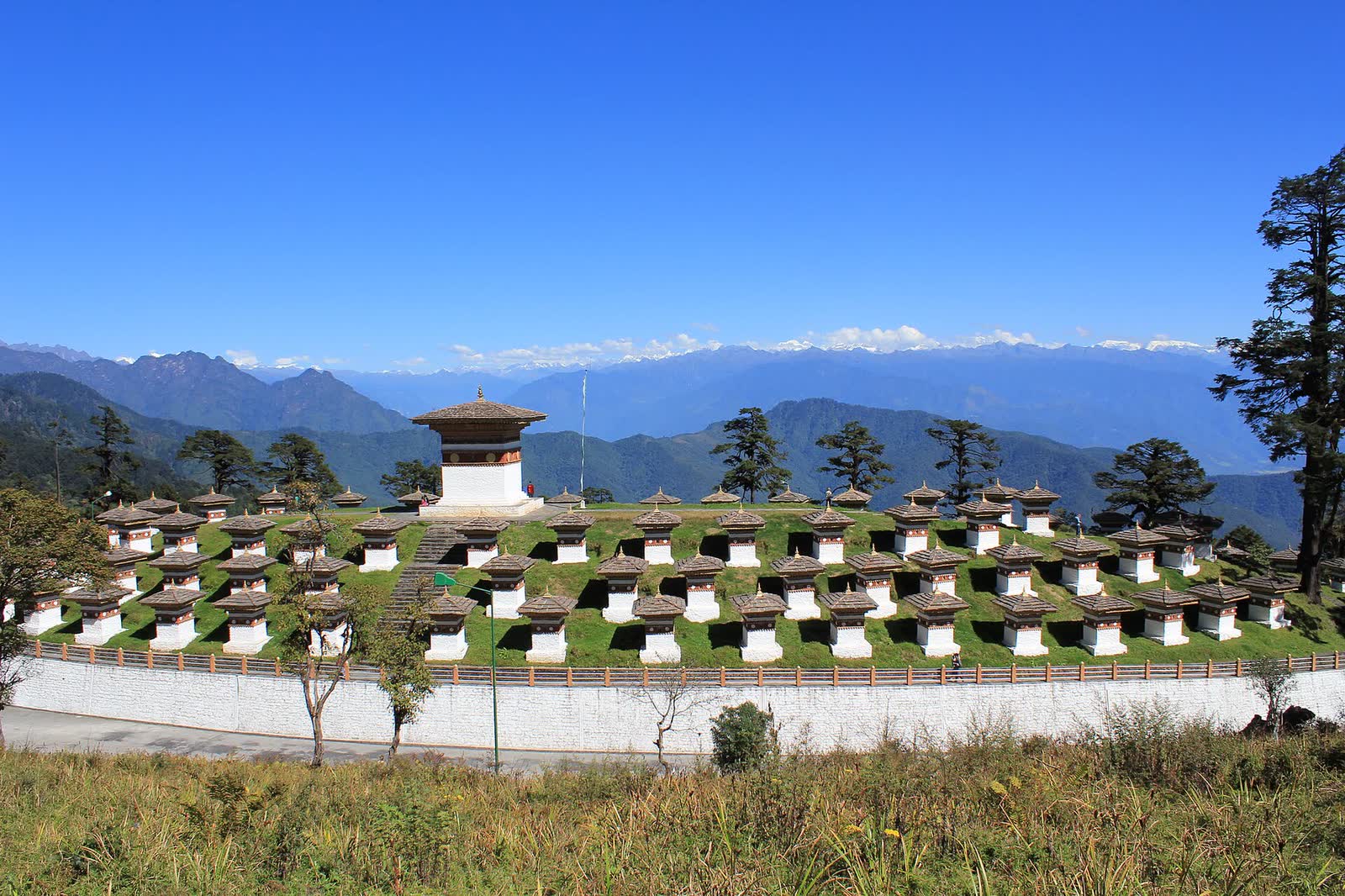
- Walk clockwise around chortens, temples and prayer wheels
- Photography is not permitted inside temples and shrine rooms
- Don't point your feet towards altars or touch religious objects
- Speak softly and ask your guide before entering if unsure
The gho and kira
Men wear the knee-length gho and women the ankle-length kira, with a ceremonial scarf (kabney or rachu) added for formal occasions. Wearing them yourself, at a festival or a family home, is a joy — ask us about our Dress Like a Bhutanese experience.
What to pack
Layers are essential: days can be warm and evenings cold, especially at altitude. Bring comfortable walking shoes, a warm jacket, a rain shell, and one smart outfit for dzong visits.
Regulations and fees change from time to time; we always confirm the latest details in your quotation.
Header photo: Afifa Afrin, CC BY-SA 4.0